
"coffee growing regions"
10000 article(s) found

The coffee grown in different regions has different flavors.
Coffee grown in different regions has different flavors. The unique soil, climatic conditions and planting methods of a country make the coffee produced in that country have a unique flavor. Coffee cultivation is now widely grown in the ribbon between the Tropic of Cancer and the Tropic of Cancer. Coffee grown in different regions has different flavors, a country's unique soil and climate strips.

Java, the earliest coffee growing region in Indonesia, introduces which varieties of Indonesian coffee are better.
Java: Java Coffee Java is Indonesia's most economically developed island and the most densely populated area. Jakarta, the capital of Indonesia, located in the northwest of Java, is the largest city in Southeast Asia. In addition, Indonesia's second and fourth largest cities are located on the island of Java. Java is the first region in Indonesia to grow coffee and has taken the lead in the world coffee market as early as the 18th century.

Species of coffee plants growing in different regions of the world
At present, the main species of coffee plants growing in different regions of the world include the following: ARABICA/ROBUSTA/LIBERICA/DEWEVREI/STENOPHILLA/CONGENSIS/ABEOKUTAS/KLAINII/ZAANGUEBARIAE/RACEMOSA. Among them, the most commonly used coffee is divided into three categories: small seed coffee beans (Arabica) and medium seed coffee beans (Robusta).

Washed Arabica Coffee Bean Flavor Description Grind Scale Variety Region Introduction
Shakisso/Shakiso is located in the Guji region of Sidama, south of the Oromia region, next to Sidama and Gedeo. There are many mines in this area, which were used for gold mining in the early days, so there are many potholes in this coffee-growing area. this makes people

Which countries and regions can grow coffee? Why? Where does coffee come from? Coffee
Since coffee trees are tropical plants, they need to be planted in warm places. The main planting area is distributed between latitude 25 south and latitude 25 north with the equator as the center, so this area is also called the coffee belt. However, even in the coffee belt, Arabica and Robeska do not grow in exactly the same area, but grow up in an environment that is more suitable for their own growth.

Introduction to the taste of the varieties produced by the regional treatment method in the growing environment of Mantenin coffee
Manning coffee growing environment characteristics of regional treatment varieties taste introduction everyone's first impression of Mantenin is always fragrant, bitter, mellow, thick and even exciting, can not be imported without sugar and milk. In fact, Sumatra Lindong Manning can also bring a little sour taste, let you comfortable black coffee on the stomach! Because the processing of Manning Coffee is very special, it is different from

Introduction of Tarim é Coffee producing area in Tanzania | how about Tarime coffee
Tarime is located in a small producing area near Kenya in the northernmost part of Tanzania. Tarim é and its surrounding areas are not as famous as the famous coffee-growing areas near Mount Kilimanjaro and Arusha, nor are they famous for the rise of coffee-growing areas in the south (Mbeya and Mbinga). In addition, the area is located between the Masai Mara National Reserve and Lake Victoria, and its disadvantage is the distance between

Guatemala eight coffee growing regions characteristics Properties Rainforest Coban
Cloudy, rainy and cool all year round. The vast majority of rainforest Cobain coffee is grown in the region's distinctly undulating, foggy mountains, heavily influenced by limestone and clay from the Atlantic Basin. Cobain has two seasons: rainy and rainy. [Characteristics] Clear fresh fruit flavor, balanced body, pleasant aroma.

Coffee growing in Brazil Coffee growing belt in Brazil
For more information on coffee beans, please follow the coffee workshop (official Wechat account cafe_style). There are two main Brazilian coffee growing areas in Brazil, Serra Abaixo is at the foot of the mountain and Serra Acima is on the mountain. In recent years, the Sierra Asima region has faced drought and the quality of coffee beans produced is poor. Because coffee requires a combination of calories and humidity, the lowest

An introduction to the Organic Coffee growing region in Western Peru
Peruvian coffee is grown in a planned way, which has greatly increased coffee production. Peruvian coffee has a mellow taste and proper acidity, and this lukewarm coffee attitude has made more and more people like it. Peruvian coffee has always been used as one of the stable mellow mixed beans of comprehensive coffee, and its rich acidity and mellow smoothness are its most prominent features. Peruvian coffee

Description of taste and flavor of brewed wet-fragrant Yega coffee beans growing environment and regional treatment
Description of the taste and flavor of Yejia coffee beans A brief introduction to the regional treatment method of growing environment [special]: the coffee tree originated in Ethiopia, it was originally a wild plant here, and the name coffee comes from the Ethiopian town of Kaffa. In fact, many coffee trees in Ethiopia are still wild plants, and the coffee particles that grow on this coffee tree
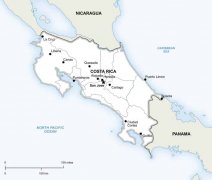
Flavor and taste characteristics of eight coffee growing areas in Costa Rica how to make good coffee beans in Monster Manor
All eight coffee growing areas in Costa Rica have ideal conditions for growing Arabica coffee trees. Most of the more than 50000 small farms are located in the mountains, enjoying volcanic soil, perfect climatic conditions and a long period of maturity. When buying Costa Rican coffee, please check the grower information on the label. Beans can come from several large producing areas on the map: Centra

Description of flavor and taste of growing environment in Colombia, the third largest coffee producing region in the world
Description of the growing environment and flavor in Colombia, the third largest coffee producing region in the world, the suitable climate in Colombia provides a real natural pasture for coffee. Coffee trees in Colombia are mainly cultivated in the Andes, on steep slopes about 1300 meters above sea level, where the annual temperature is about 18 degrees Celsius, annual rainfall is 2000 to 3000 millimeters, and latitude 1-11-15.

Do American coffee beans represent that there are many coffee-growing places in America? evaluation of Central and South American Coffee
Professional Coffee knowledge Exchange more information about coffee beans Please follow the coffee workshop (official Wechat account cafe_style) every morning, millions of people around the world like to have a cup of coffee to start the day. In doing so, they may not know the exact location of the beans used to produce lattes or black coffee. Generally speaking, the top coffee growing and exporting regions in the world

Introduction to the flavor description of the growing environment and regional flavor of coffee beans in Fire Phoenix Manor, Costa Rica
Description of the regional flavor of coffee beans in the growing environment of Fenghuang Manor, Costa Rica. Costa Rican coffee has full grains, ideal acidity and unique strong flavor. The coffee industry in Costa Rica, originally controlled by the Costa Rican Coffee Industry Company (InstitutodelCafdeCostaRica, ICAFE), is now under the control of the official Coffee Committee (Oficinadel)

Introduction to the taste treatment method of region flavor description of Ethiopian coffee manor brand
Ethiopian coffee farm brand flavor description taste treatment method introduces that Ethiopian coffee beans grow in a close to natural environment, after years of planting under the same growth conditions, Ethiopian coffee beans have gradually adapted to the environment here. More than 60% of coffee beans are grown in forests or semi-forests. A village house that grows coffee in a large area.

Brazilian coffee is the main coffee area, due to the location of Santos, the coffee export port.
Brazil is divided into 26 states, half (13) of which have coffee plantations or farmers

Flavor description of Honduran coffee beans introduction to the regional treatment of manor varieties
The flavor description of Honduran coffee beans the method of regional treatment of manor varieties introduces that the granules of Honduran coffee beans are large in shape, uniform in size, uniform in color and shiny. In order to facilitate harvesting, farmers will prune the coffee trees to no more than 150 centimeters, because if they grow too high, they must set up ladders to pick, which is not only time-consuming, but also may damage the trees by bending branches.

Honduras Single Bean Flavor Description Variety Growing History Introduction to Production
Weixin Official Accounts cafe_style ) Honduras Population: 8,250,000 Although it is not described by HCAFE as a coffee-growing area, many roasters label coffee from the Santa Barbara region of Honduras, and several coffee areas cross the border into Santa Barbara (a national government matter).

Panamanian coffee region with bright taste Baru volcanic region Flavors Introduction Boutique coffee
While commodity prices for coffee were relatively low, the panama boutique coffee association organized a contest called best panama: beans from different parts of panama were ranked and auctioned online. The Esmeralda estate has been growing Geisha coffee for years, and this auction has made their coffee known to more people. after